News
What Are the Best Wobble Chairs for Classrooms?
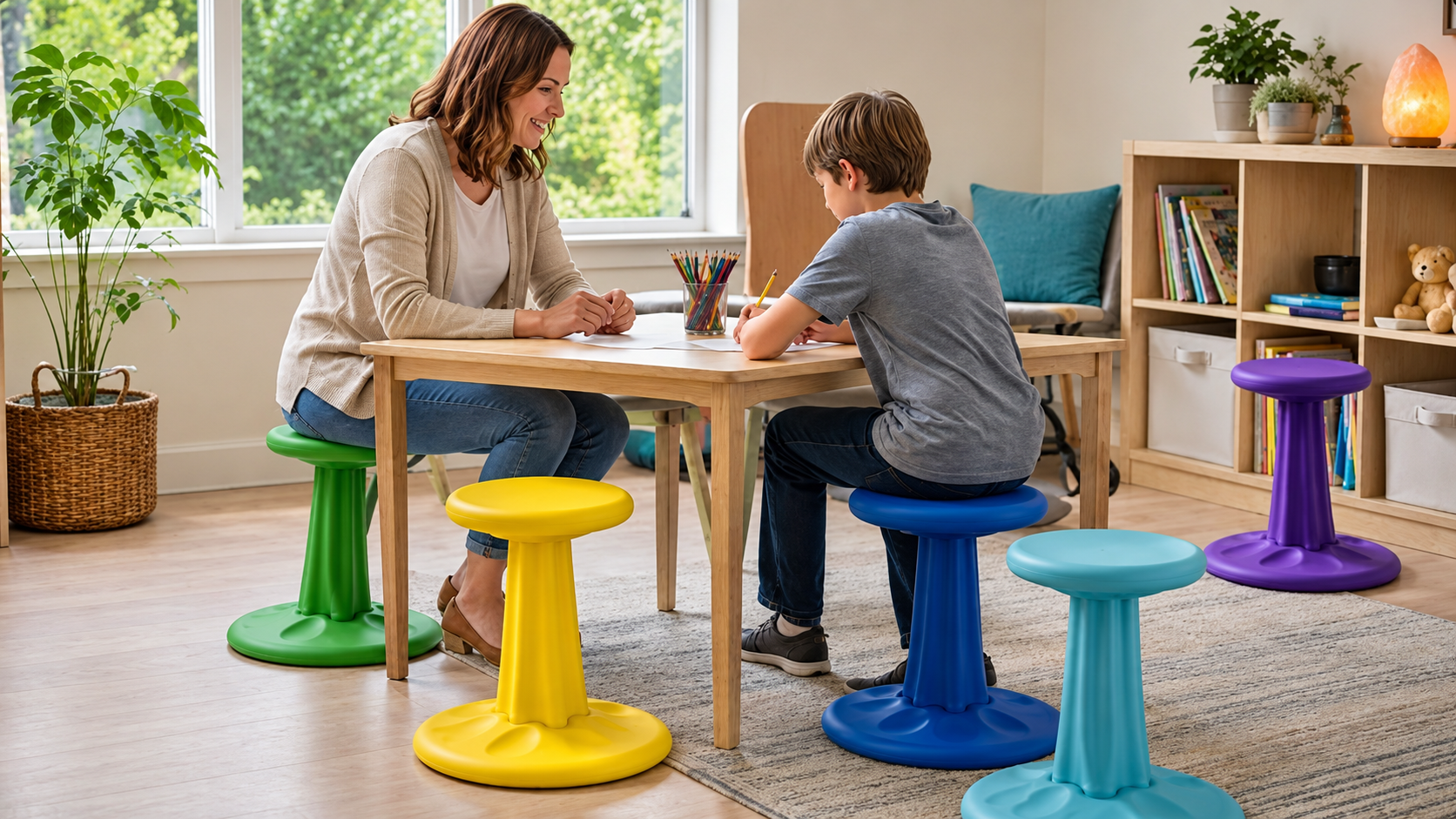
At a small-group table, a lesson can move from reading together to writing an answer or explaining a solution. The furniture has to work through those changes. A colorful seat may attract interest, but the useful question is what happens when the lesson begins.
The best wobble chair for a classroom is one that fits the students and their work surface, allows appropriate seated movement, and meets the school’s practical needs. Kore Design brings together a rounded-base seating design, plastic construction, manageable handling, and size options for educators to consider.
Rather than choosing by appearance alone, use the teaching task as your starting point. This guide connects the main selection features with suggested classroom examples and questions that can inform a school purchase.
Six Selection Features, Viewed Through a Teaching Lens
A wobble chair allows small rocking or shifting movements while the student remains seated. For a teacher, that design is useful only when it fits the activity. Consider the following six features together rather than treating movement alone as the deciding factor.
Why Consider Kore Design for the Shortlist?
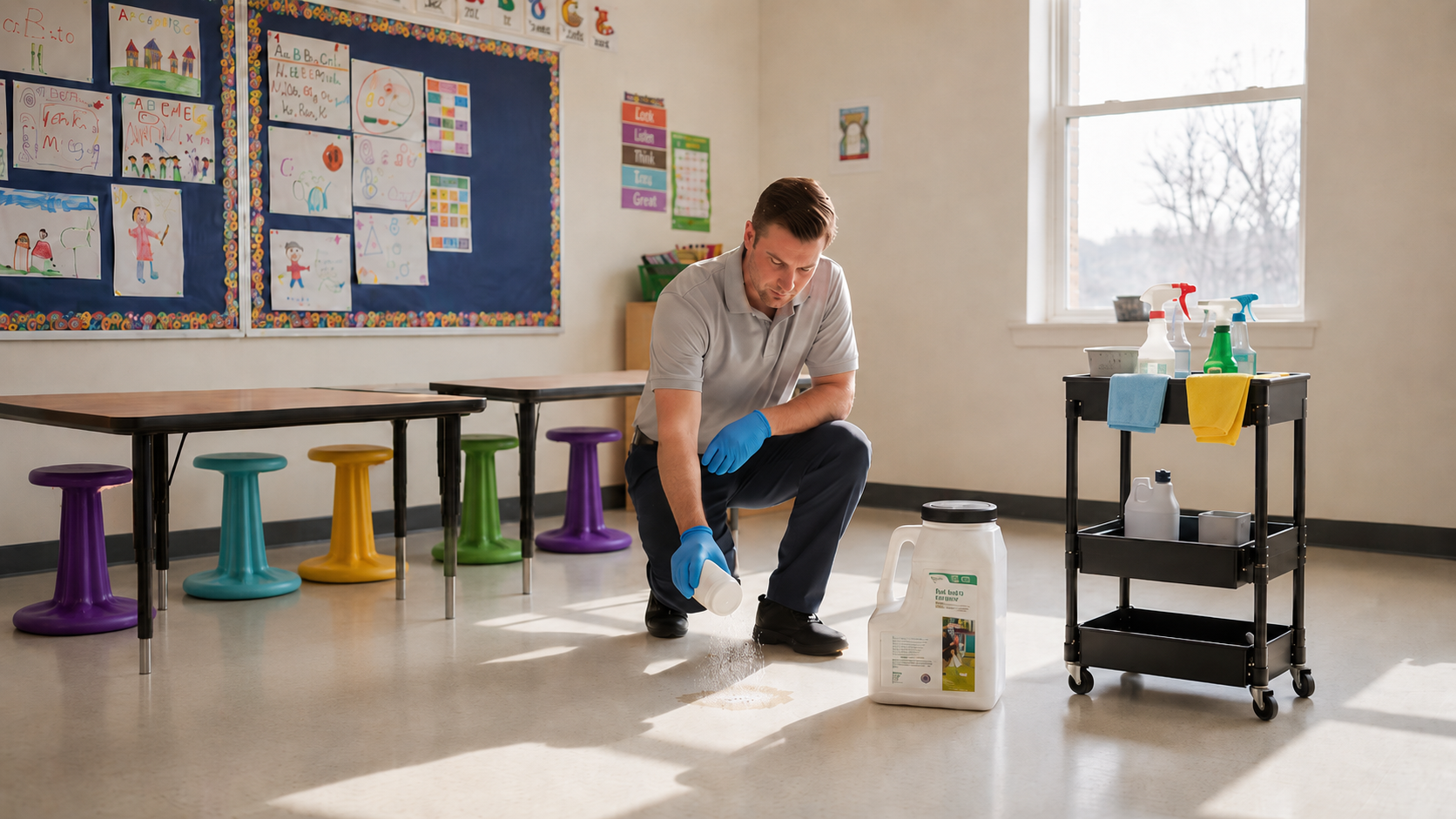
Kore Design’s classroom-oriented plastic wobble chairs combine these practical considerations in a movement-friendly seating option. The rounded base provides the active-sitting element; the wipe-clean construction, straightforward assembly, and different sizes address everyday school use.
For example, a shared table needs more than a seat that moves. Staff also need to prepare it, match it to different students, and maintain it between activities. Looking at those responsibilities together gives schools a clearer reason to consider Kore than appearance or color alone.
Selected Kore listings also identify USA manufacturing and antimicrobial material options. For school purchasing, confirm those details for the exact model being ordered rather than extending them to the whole range.
Define What “Best” Means for Your Class
Write a short selection statement before comparing products: “We need seating for a shared instruction table, used by these students, for these activities.” Add the relevant table height, care requirements, and likely movement between locations.
That statement makes the decision specific. Use it to compare models against the same classroom needs, rather than allowing an appealing photograph to decide the purchase.
Try the Seating During a Real Lesson
These suggested teaching examples turn the selection criteria into practical classroom checks. Choose an ordinary activity so the teacher can assess the chair in the setting where it will actually be used.
Reading and guided discussion
At a shared reading table, ask students to follow a passage and discuss it with the teacher. Notice whether the seating position lets them see the text, turn pages, and use the table comfortably. A useful observations “the book stayed within reach,” rather than an assumption that the chair improved reading ability.
Writing and independent work
During a familiar writing task, consider the relationship between the student, chair, and work surface. Can the student use the paper and classroom materials comfortably? Ask whether this seat is preferred for the task, and note any request to return to a conventional chair.
Small-group projects and materials
For a sorting activity or group project, assess the shared work area as well as the individual seat. Notice whether students can reach the agreed materials and remain within their places. Include the transition afterward: can staff reset the seating for the next group without a complicated rearrangement?
Give Students a Useful Voice
Keep feedback about the activity rather than the novelty of the stool. Ask, “Was it comfortable to work here?”, “Could you reach what you needed?”, and “Would you choose this seat for this task again?” A student may prefer a different chair for another lesson.
Explain intended use before the activity, including gentle movement and when to request another seat. Treat seating as a classroom resource, not a prize for selected students or a requirement that everyone must use the same option.
Keep a Short Selection Record
For each use, note the chair model, work surface, activity, student feedback, and any handling or cleaning issue. Compare notes from more than one lesson before deciding whether to extend the arrangement. These records support a furniture decision; they do not establish that a chair causes better concentration or higher grades.
Plan the First Quantity Around the Lesson
A small-group trial might use two to four chairs at one table, while an independent-work trial might begin with one or two. These are illustrative starting arrangements, not required class sizes or a reason to purchase the same height for every student.
Choose the number around the activity and the students who will use it. The aim is to learn where the seating fits before committing to a larger order.
Turn Classroom Feedback Into a School Purchase
Bring the teacher’s selection record to the purchasing conversation. Identify the proposed teaching area, students who need different sizes, requested quantities, and who will handle assembly and care. Ask the supplier to confirm the model details and availability for that order.
This connects the classroom decision with the school’s practical responsibilities. A purchasing team can then assess a specific request instead of a general recommendation to buy more active seating.
Final Thoughts
Choosing a classroom wobble chair is a decision about how furniture serves a lesson. Start with the task, assess the six selection features, and listen to the students who will use the seating. Kore Design offers classroom-oriented options worth evaluating on that basis.
A well-defined choice gives teachers a usable resource, purchasing teams a clear request, and students an additional seating option without promising the same response from everyone.
Find the Kore Seating That Fits Your Teaching Plan
Explore Kore Design Kids Wobble Chairs with your lesson requirements in hand. Review Kore’s buying options or contact Kore Design to discuss model selection, quantities, and purchasing details for your school.
Frequently Asked Questions
What should a teacher decide before comparing chairs?
Identify the lesson, the work surface, and the students who will use the seating. Those details give the selection a purpose beyond choosing a popular color or design.
Why assess the chair during an ordinary lesson?
It lets the teacher consider reach, comfort, materials, and transitions together. A brief look at an empty stool cannot answer every question about classroom use.
What makes a useful classroom evaluation note?
Record a specific observation, such as a student’s comfort feedback or a difficulty with moving the chair between groups. Separate what happened from what you think caused it.
Can a school trial more than one size?
Yes. Match the seating to the intended students and worksurfaces. A shared classroom does not mean that a single height will suit everyone using the trial chairs.
How should teachers respond to mixed student feedback?
Ask what did not work for the student and the task. Another seating choice may be more suitable; the purpose is an informed classroom choice, not universal use.
What should the school confirm before ordering Kore chairs?
Confirm the exact models, quantities, sizing, assembly and care instructions, and current supply. Verify manufacturing origin or antimicrobial features only for the models requested.
Explore the Kore Design Wobble Chair